
January 9, 2024

Dr. Friedman is one of the world's experts on treating Graves' disease. Graves' disease is a type of hyperthyroidism that is autoimmune...
Medical Articles
Dr. Friedman is one of the world's experts on treating Graves' disease. Graves' disease is a type of hyperthyroidism that is autoimmune...
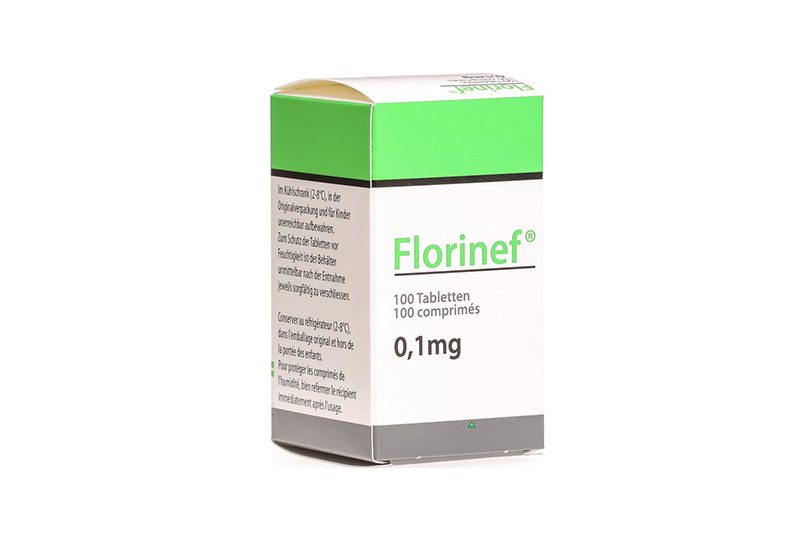
The adrenals make 2 important hormones, cortisol (a glucocorticoid) and aldosterone (a mineralocorticoid). Patients with adrenal insufficiency from an adrenal cause such as an adrenalectomy or Addison disease require replacement of both hormones, Although the natural mineralocorticoid is aldosterone, we give fludrocortisone or Florinef as a replacement. The glucocorticoid and mineralocorticoid axis are 2 different […]
Patients frequently ask me if takin a certain drug will affect cortisol levels, either in regarding to cortisol testing or if they want to raise or lower their cortisol. If a patient is undergoing testing for Cushing’s Dr. Friedman recommends discontinuing the drug for a week before testing, especially drugs in bold. Although it may […]
GH deficiency in adults occurs because of some type of injury to the pituitary gland. GH is the first hormone to be affected if the pituitary gland is injured. Injury usually can occur because of the presence of a pituitary tumor, or pituitary surgery or pituitary irradiation. It can also be caused by trauma to […]
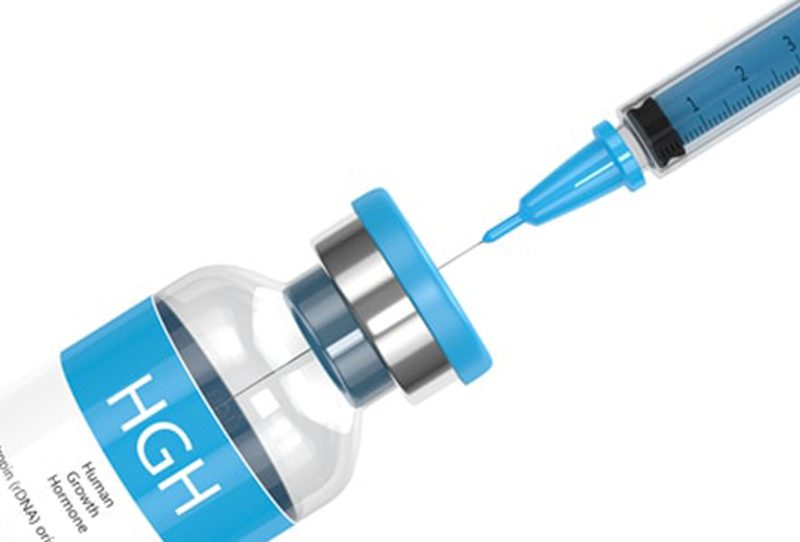
Growth hormone (GH) is a protein hormone made by the pituitary, a gland located at the base of the skull.

There are risks and benefits with all medicines and estrogen replacement is no exception. In fact, estrogen replacement is one of the most controversial topics in Endocrinology. This is due to conflicting data on its benefits and side effects, the multitude of available hormone replacement products and regimens and the fact that most studies on […]
Hypothyroidism is a relatively common disorder. It affects more women then men, but I happen to be one of the men who does have it. Symptoms of hypothyroidism include fatigue, gradual weight gain, constipation, muscle aches, joint pain, feeling cold, menstrual irregularities, weakness, hair loss, dry, cold skin and slow reaction time. Many patients will […]

Dr. Friedman has been running the Obesity Clinic at MLK Ambulatory Care Clinic in Los Angeles and has come up with a simplified strategy for weight loss for everyone who is serious about losing weight. This approach is to have a simplified food guide that everyone can follow that stresses eating healthy foods, especially vegetables, […]

The adrenals, small glands located above each kidney, produce a number of important hormones. The adrenals’ inner medulla produces epinephrine and norepinephrine (adrenaline). Tumors of the adrenal medulla which produce excess epinephrine and norepinephrine are called pheochromocytomas. Deficiencies of the adrenal medulla that reduce the levels of these hormones do not give rise to clinical […]
Dr. Friedman’s initial approach as an Endocrinologist regarding weight loss is to first rule out any endocrine problems, such as hypothyroidism, Cushing’s syndrome, or growth hormone deficiency, that may lead to weight gain. He then encourages the patient to consume a lowcalorie diet, and he often recommends eating an increasing amount of vegetables, as they […]